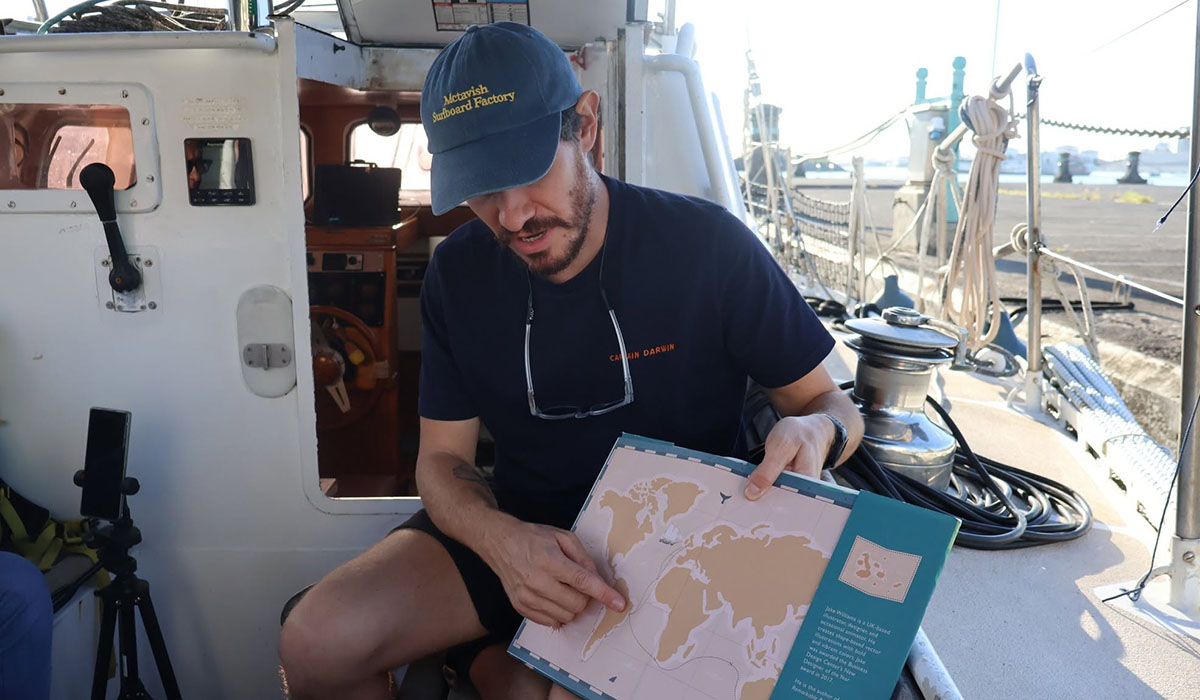
Skipper Victor Rault's project is no solo passion exercise. The documentary being made from the voyage is in production with France Télévisions, co-produced by Yann Arthus-Bertrand — a name that has stood for decades for sweeping aerial portraits of the planet, and whose involvement tends to guarantee a wide audience, in France and beyond. In practice, that means footage of a Mauritian stopover, shot and edited to that standard, stands a fair chance of reaching French television screens one day, at no cost to any tourism marketing budget.
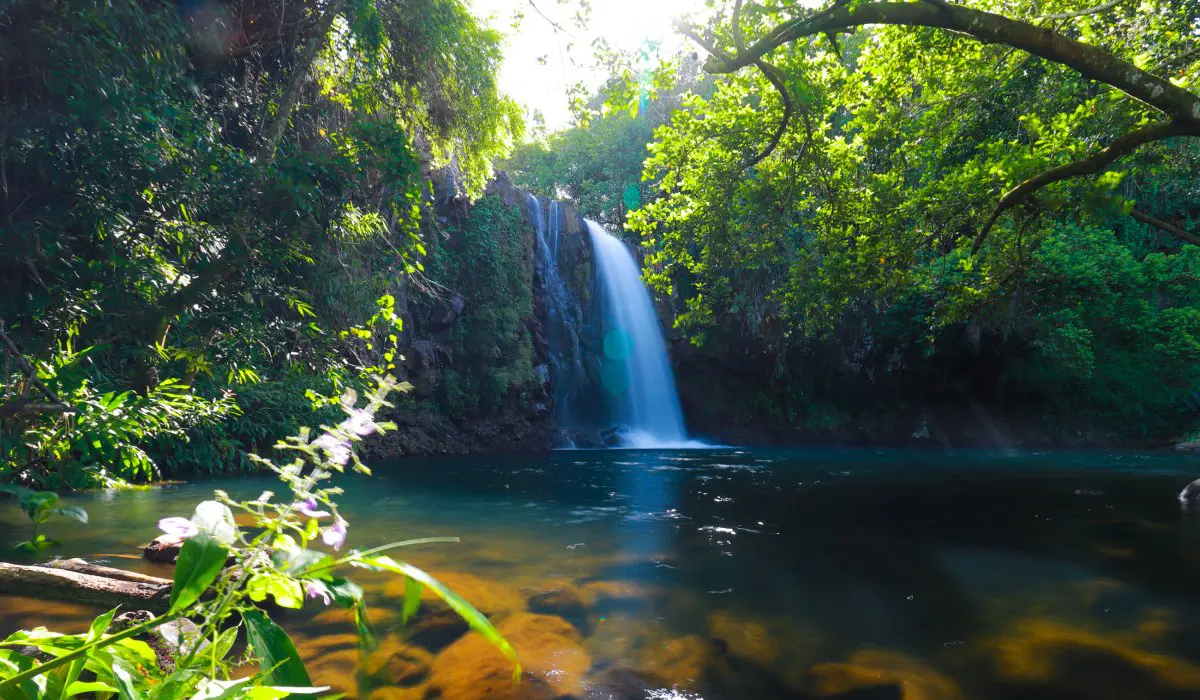
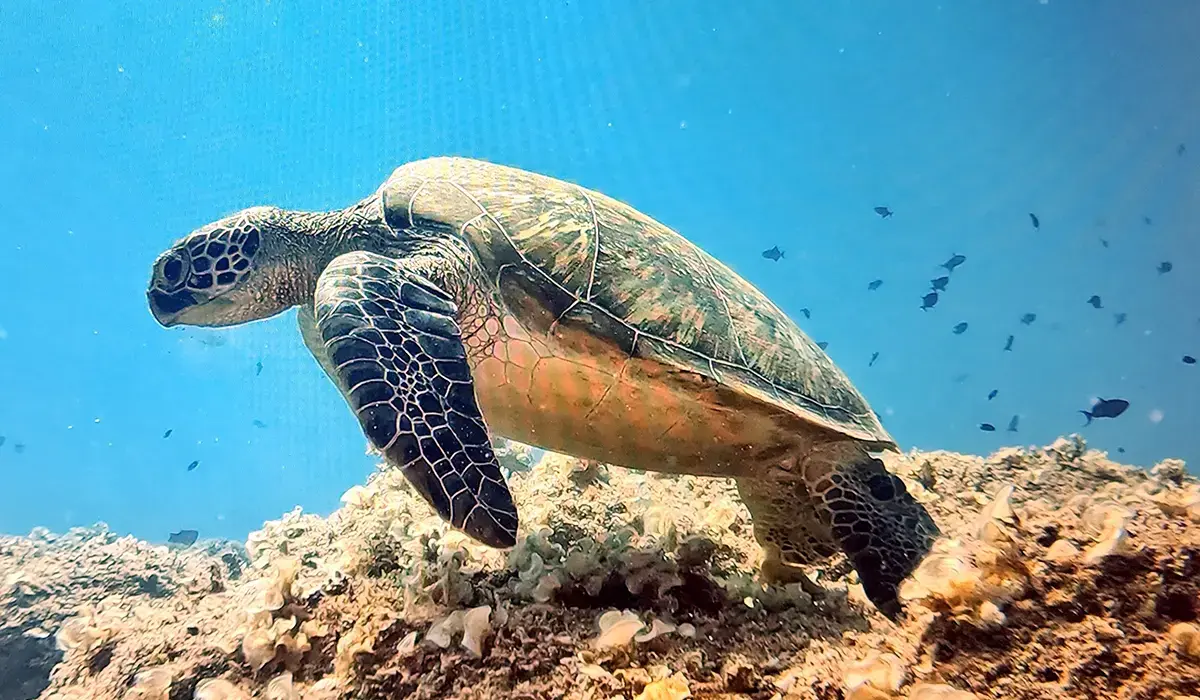
That sort of exposure works differently from conventional tourism advertising. It slots the island into a narrative built around Darwin, science and nature, rather than casting it merely as a beach backdrop. Take Le Pouce, which Rault climbed retracing Darwin's own ascent of 2 May 1836, or the excursion out to the coral formations at Black River: these are places any visitor can reach today, often well off the main tourist trail. Framed within a Darwin narrative, they take on extra weight — a piece of natural heritage with a date attached, documented and comparable across two centuries.
The involvement of the Mauritian Wildlife Foundation reinforces that point. Its director of conservation, Dr Vikash Tatayah, is due to meet Victor Rault on 17 June at the Institut Français de Maurice in Rose Hill — tying the stopover to conservation work already under way, and to a form of tourism that supports that work rather than sidestepping it. The talk, free and open to the public, is also a rare local chance to hear a sailor who has just retraced Darwin's path in conversation with one of the people responsible for Mauritius's wildlife conservation today.
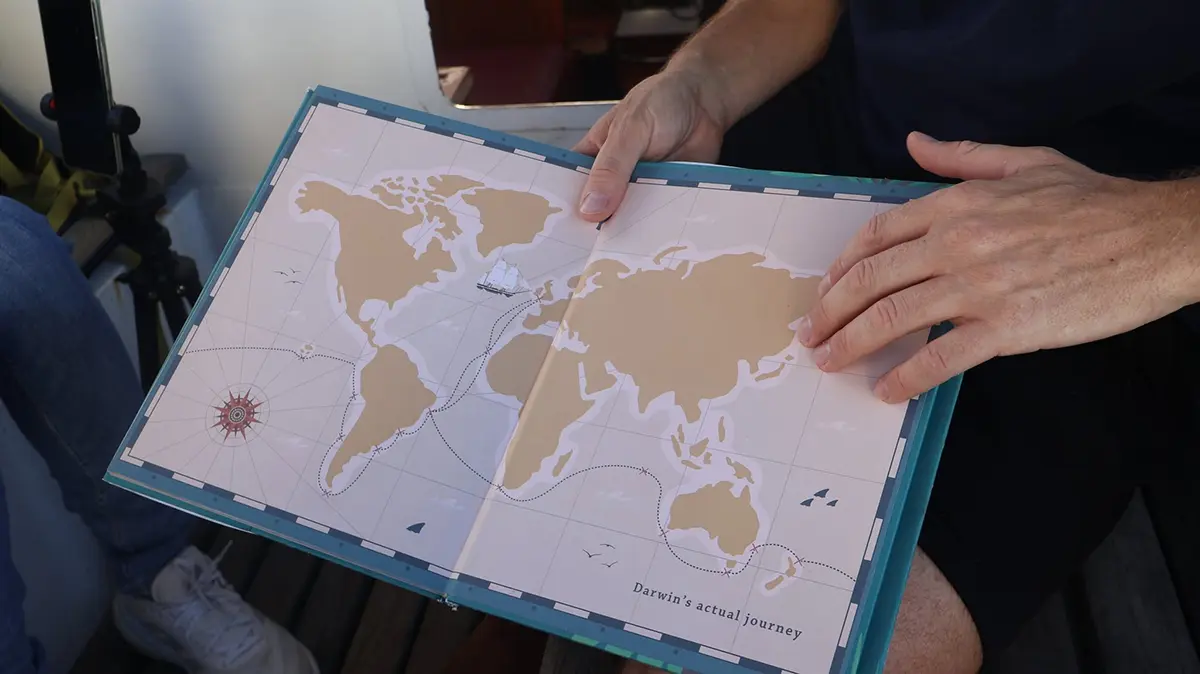
One question no article can answer in advance is what this stopover will leave behind once the boat has sailed on towards Cape Town. Visits of this kind rarely produce an immediate, measurable uptick in visitor numbers. Their value tends to be slower and harder to pin down — a matter of one more image added to all the others already circulating about the island abroad. Darwin himself judged the island's scenery to have a flawless elegance. If that impression, recorded 190 years ago, were to resurface one day in a mainstream documentary, in some new form, that might turn out to be the most interesting thing this stopover produces for the island — rather more interesting, certainly, than anything it produces for science.